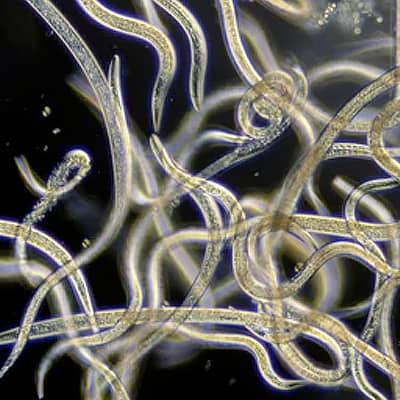
worm farm compost conditioner

the compost company


Organic compost is an excellent way to add nutrients to your soil without having to utilize synthetic fertilizers. Garden compost tea is a fantastic method to get the most out of your garden compost.


Organic compost is essential for a healthy and productive farm or garden. Once you have a great quantity of natural matter, it's time to start composting.

compost blowing services

compost blowing services


Organic composting is a process of breaking down raw material into a nutrient-rich soil amendment. Composting is an excellent way to recycle farm and garden waste, such as plant trimmings, leaves, and manure. It is likewise an excellent way to improve the soil on your farm or garden.

organic compost company


To make compost tea, you will require: 1-2 pounds of natural compost, 1 gallon of water, and a 5-gallon pail with a lid.

organic compost company
worm farm composting

worm farm composting


Organic garden compost tea is a liquid solution made by steeping raw material in water. This basic brew can be utilized as a fertilizer or biostimulant for plants, and is rich in nutrients and useful microorganisms. To make natural compost tea, you will need a 5-gallon pail, water, raw material such as garden compost, manure, or leaves, and an aerator or aquarium bubbler.

composting services near me


The secret to success is ensuring that your compost pile has the ideal ratio of carbon to nitrogen. Carbon-rich products include dead leaves, straw, and wood chips. Nitrogen-rich products consist of fresh turf clippings, manure, and food scraps. A good ratio to aim for is 30:1 carbon to nitrogen.

organic compost company

how to make farm compost


Another great material for composting is leaves. They offer necessary nutrients like phosphorus, potassium, and nitrogen. You can also add in grass however you require to be sure it has actually not been sprayed with herbicides.

how to make farm compost

Frequently Asked Questions

To begin a compost stack, you will need some damp ingredients such as vegetable peelings, fruits, tea bags, and grass clippings. - and make sure to include enough water to keep the stack moist.

You need to integrate brown and green materials when it comes to composing your compost pile. Brown materials include dry leaves, shredded paper, hay, and straw. Green products consist of cooking area scraps, coffee grounds, and fresh plant and yard trimmings. Mix 2 parts of green products with one part of brown. Mix whatever together till you reach the best consistency for decay. You can likewise blend some dry products, such as manure, into the stack.

The pile must feel wet but not soggy. It's also essential to aerate it every few weeks. Aeration also assists the compost pile keep the heat in while avoiding the loss of nutrients in rain.

While you're mixing the active ingredients, you must also leave an area fallow. This location is necessary for the compost heap to keep the soil moist and avoid it from drying out. After adding the materials, turn the stack regularly to integrate the bottom layer. Ideally, you ought to turn the stack one or two times a week. Diggs recommends turning your stack every seven to ten days. Consider consulting an expert to help you if you're not sure whether to turn your pile.


To start a compost stack, you will require some moist ingredients such as veggie peelings, fruits, tea bags, and turf clippings. When it comes to composing your compost pile, you should integrate brown and green products. You can also blend some dry materials, such as manure, into the stack.

Aeration likewise helps the compost stack keep the heat in while preventing the loss of nutrients in rain.

There are many advantages of finding out how to compost in your home, however if you aren't sure where to begin, it may help to have a look at a few of the most typical type of materials. For example, compostable paper is an excellent method to recycle paper items and can also be utilized as a soil conditioner for houseplants. You have to understand the ideal mix of materials to produce a compostable soil.

Composting is a fantastic method to minimize your impact on the environment and develop a gorgeous garden soil. According to the EPA, 30% of the waste you create in the house can be composted, consequently reducing your family's carbon footprint. What's more, composting will save you cash because you'll no longer need to buy garbage bags. You'll likewise have less pieces of waste to bring to the curb.

There are 2 types of waste you can compost: organic and inorganic. Organic waste includes things such as veggies, fruits, and even wood and leaves. The garden compost process takes two to 2 months, but it's well worth it in the long run. Your garden will benefit from this fertile soil in the near future. You can utilize it in your garden or on your home once you have actually made compost. Simply make certain to compost frequently and you'll quickly have an abundance of nutrients.

When learning how to compost in the house, make certain you follow the standard steps: preparing the materials, constructing a bin, and mixing them. Following these steps will guarantee a better completed item. Despite the type of garden compost you produce, you must select a place in which you'll be discreet and not noticeable. A website that gets good air flow and access to water is ideal for a compost pile. You might even want to include a ventilation tube to optimize air circulation.


There are numerous benefits of learning how to compost at home, however if you aren't sure where to begin, it may assist to take an appearance at some of the most typical kinds of materials. According to the EPA, 30% of the waste you create at house can be composted, thus reducing your family's carbon footprint. When finding out how to compost at home, make sure you follow the standard steps: preparing the materials, developing a bin, and mixing them.

There are several methods to compost your garden waste. Garden compost is an exceptional method to recycle your old food scraps and other organic waste. Here are just a few of the numerous advantages of garden compost:

The finished garden compost will contain nitrogen, an important nutrient for plants and animals. Many people currently know about the benefits of garden compost, so if you're curious about the procedure, keep reading.

The very first action includes gathering the products to be composted. After that, it's time to apply the compost to your garden. You'll observe that the product begins to break down and ends up being richer in nutrients.

The composting procedure can be slowed by adding inorganic materials to the compost pile. Garden bits that have actually been treated with pesticides and herbicide ought to be discarded. Other products that can sabotage the process include plastics, medicines, colored paper, and cleansing chemicals. To understand what materials to compost, go to the Can I Compost This? site. It will give you a list of the 100 most compostable products. The site also gives information about contribution guidelines and compostable products.


The ended up compost will consist of nitrogen, an essential nutrient for plants and animals. Many people currently understand about the advantages of garden compost, so if you're curious about the procedure, keep reading.

The first step includes gathering the products to be composted. The composting procedure can be slowed by adding inorganic products to the compost stack. To know what materials to compost, check out the Can I Compost This?