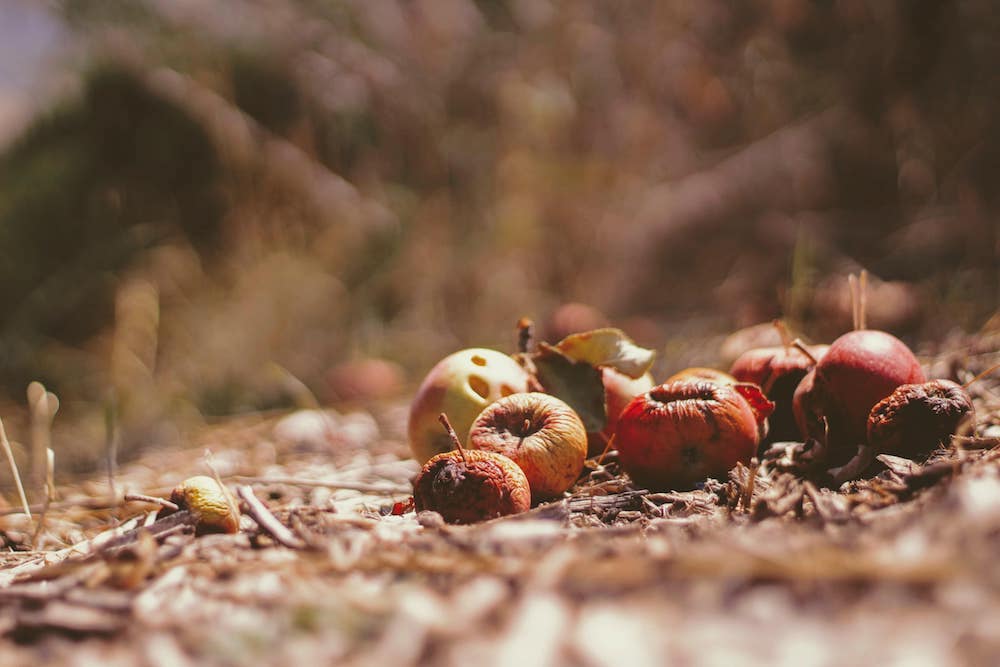
To begin a compost stack, you will need some damp active ingredients such as vegetable peelings, fruits, tea bags, and yard clippings. - and make sure to include sufficient water to keep the pile moist.
When it concerns composing your compost heap, you need to combine brown and green products. Brown materials consist of dry leaves, shredded paper, hay, and straw. Green materials include kitchen area scraps, coffee grounds, and fresh plant and lawn trimmings. Mix two parts of green products with one part of brown. Mix everything together up until you reach the best consistency for decomposition. You can also mix some dry materials, such as manure, into the pile.
To begin the decay process, you should include some nitrogen to the mix. Including a few teaspoons of nitrogen fertilizer can help boost the procedure. The stack should feel not soggy however moist. It's likewise essential to aerate it every couple of weeks. Aeration is essential to give oxygen to the microorganisms involved in the decomposition process. Aeration likewise helps the compost pile keep the heat in while preventing the loss of nutrients in rain.
While you're mixing the components, you should also leave a location fallow. This location is needed for the compost pile to keep the soil moist and avoid it from drying out. After including the products, turn the pile regularly to incorporate the bottom layer. Ideally, you must turn the stack once or twice a week. Diggs suggests turning your pile every 7 to ten days. Think about seeking advice from an expert to assist you if you're not sure whether to turn your stack.
To begin a compost pile, you will need some wet components such as vegetable peelings, fruits, tea bags, and turf clippings. When it comes to composing your compost pile, you ought to combine brown and green materials. You can likewise mix some dry materials, such as manure, into the stack.
Aeration also helps the compost pile keep the heat in while avoiding the loss of nutrients in rain.