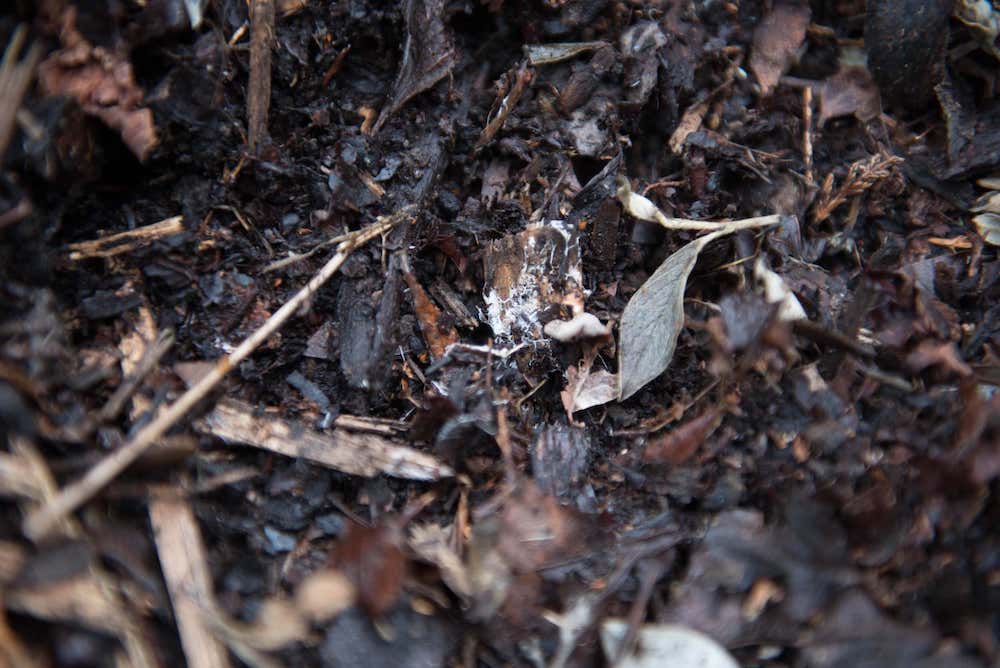
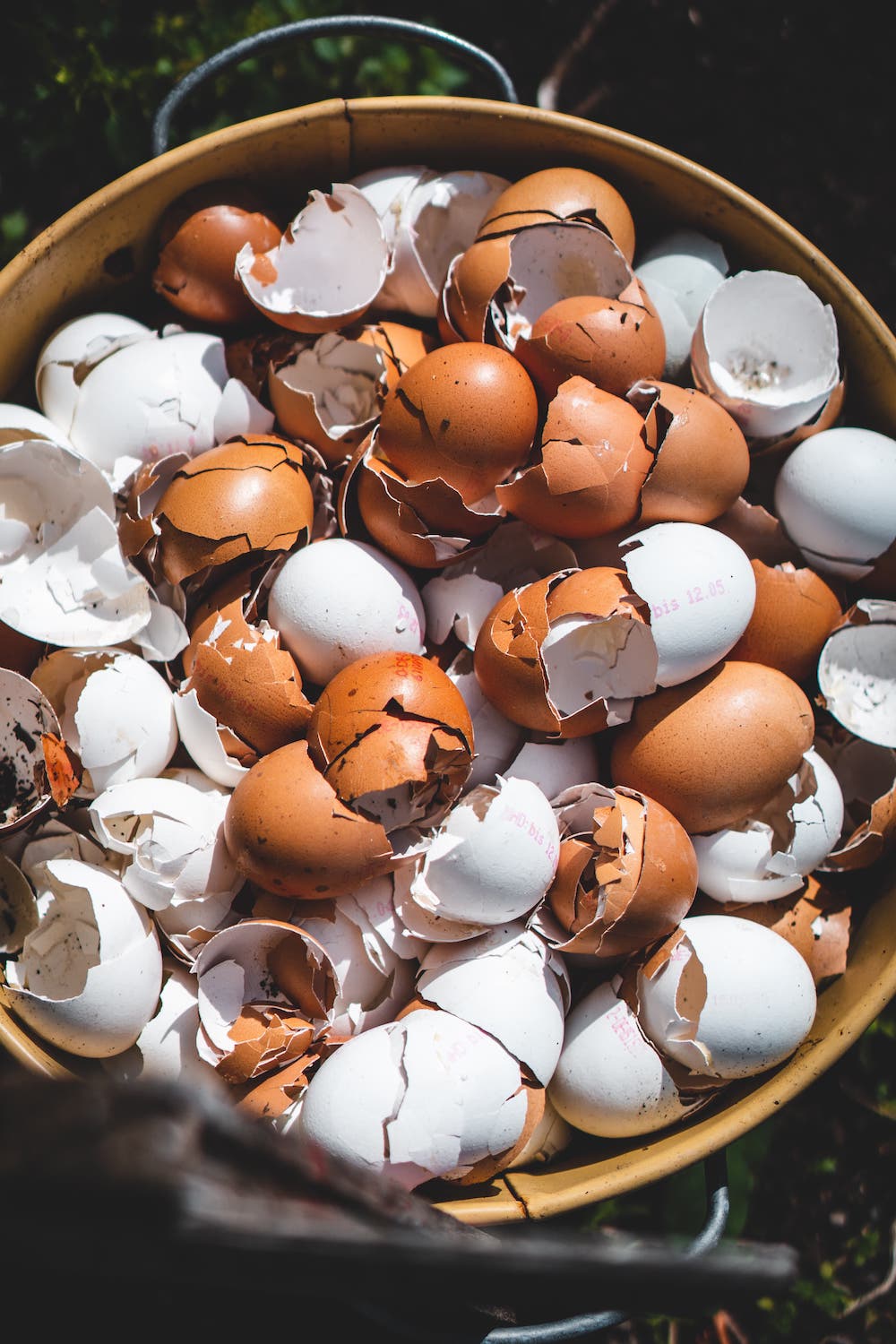
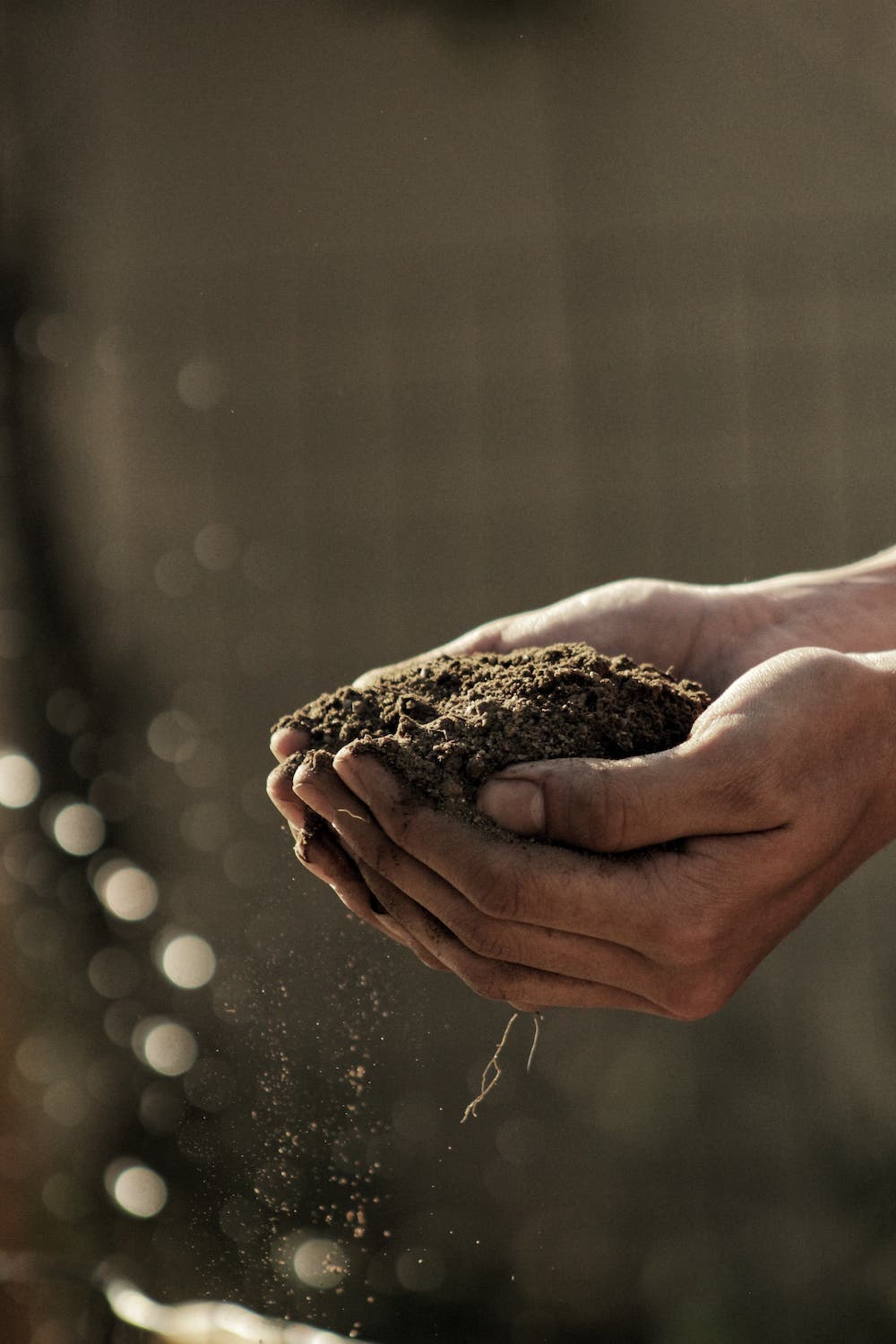
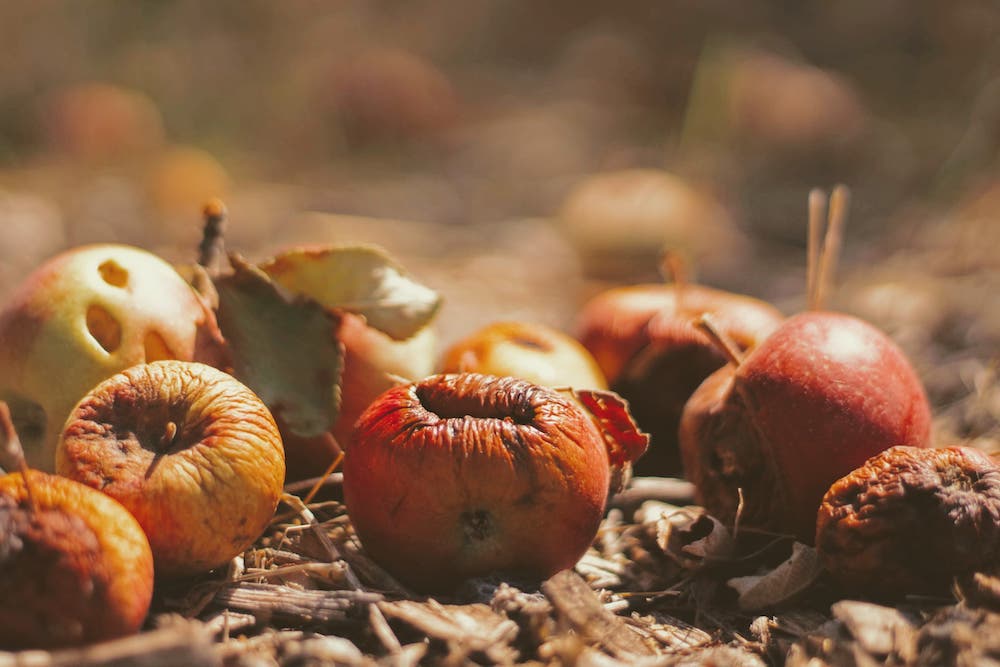
Compost is a type of natural material used to nurture plants and fortify the soil. Lots of items in our family can be composted, consisting of vegetables and fruit peels, coffee grounds, eggshells, and yard trimmings. Even home items such as paper towels, tea bags, and clothes dryer lint appropriate for composting. Even animal hair and fur can be composted. Here are some ideas for developing a garden compost bin:
You can also add wood shavings to your compost pile. Vegetable animal manure is likewise a terrific addition to your garden compost stack. Prevent adding lime to your manure or charcoal, as these waste products can trigger your garden compost to PH instability.
Tea and coffee premises are excellent compostable materials because they include nitrogen and can break down. Teabags include small amounts of plastic, so you ought to carefully compost them individually. Also, shredding paper is an exceptional source of carbon and is relatively simple to absorb. Whole newspaper might resist breakdown in a home composting system, so it's finest to use shredded newspaper rather. To find out more, read our guide to composting tea bags.
When composting plants, bear in mind that diseases can not be composted, as the illness spreads throughout the soil. If you unintentionally composted a plant that was currently contaminated with late blight, you could spread the disease throughout your garden, so you ought to not position it in your garden compost bin. Likewise, if you are composting dealt with wood, you need to get rid of it instantly. The spores of late blight can travel approximately 20 km through the wind.
Lots of items in our home can be composted, including fruit and veggie peels, coffee grounds, eggshells, and yard trimmings. Avoid adding lime to your manure or charcoal, as these waste materials can trigger your compost to PH instability.
When composting plants, keep in mind that diseases can not be composted, as the illness spreads out throughout the soil. If you accidentally composted a plant that was already infected with late blight, you might spread the illness throughout your garden, so you must not place it in your compost bin.