diy compost worm farm
Composting can increase the soil's ability to hold water and nutrients, improve drain, and motivate the growth of helpful bacteria and fungis. It can also help to suppress plant diseases and pests.
compost tea company
To make the tea, fill the container with water and include 1-2 shovelfuls of organic matter. Stir intensely or utilize the bubbler to aerate the mix for 15-30 minutes. The tea is now prepared to use. When applying to plants, make sure to water down the garden compost tea in order to guarantee it is not too focused.
To make organic compost for a small to medium sized farm or garden, you will need to gather leaves, yard, and other natural matter. After about two weeks, the compost should be ready to use.

Composting can increase the soil's ability to hold water and nutrients, improve drain, and motivate the growth of helpful bacteria and fungis. It can also help to suppress plant diseases and pests.
Garden compost tea is a terrific way to get the most out of your compost. Little to medium sized farms and gardens can benefit from developing their own compost by following these basic steps: Pick a location for your compost bin or stack that is close to a water source and has good drain. To make garden compost, you will require a garden compost bin or pile, natural matter, and water. To make natural compost tea, you will require a 5-gallon bucket, water, natural matter such as compost, manure, or leaves, and an aerator or fish tank bubbler.

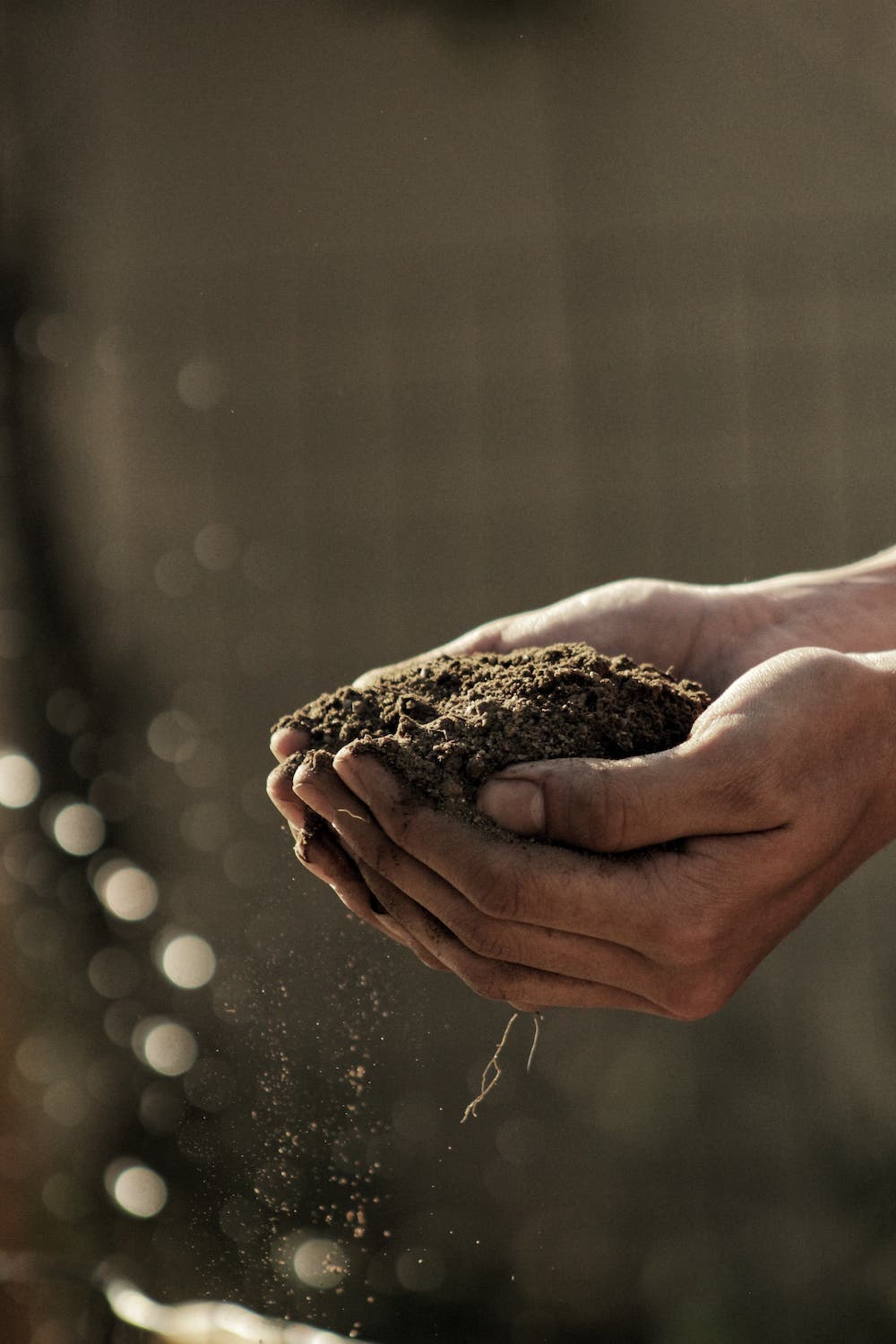
To make compost, you will need a garden compost bin or pile, raw material, and water. You can purchase a garden compost bin or construct one yourself. Make sure it is at least if you are constructing your own bin
One of the finest materials for composting is kitchen waste. Prevent utilizing meat, bones, or dairy items as they will bring in bugs and take longer to disintegrate.

Organic compost is vital for small to medium sized gardens and farms. It helps the soil keep wetness and nutrients, which is vital for healthy plants. There are several materials you can use for composting, but some are better than others.

To start a compost pile, you will need some damp ingredients such as vegetable peelings, fruits, tea bags, and grass clippings. You can also include meat, fish, and poultry - just remember not to put the entire chicken or fish! - and ensure to add sufficient water to keep the pile moist. You can likewise include other fast-breaking organics such as cardboard egg boxes and scrunched up paper.
When it comes to composing your compost stack, you should integrate brown and green materials. Mix two parts of green products with one part of brown. You can also mix some dry products, such as manure, into the stack.
To begin the decomposition procedure, you should include some nitrogen to the mix. Including a few teaspoons of nitrogen fertilizer can assist start the procedure. The stack ought to feel not soaked but wet. It's also crucial to aerate it every couple of weeks. Aeration is required to provide oxygen to the microbes associated with the decay process. Aeration likewise helps the compost pile keep the heat in while preventing the loss of nutrients in rain.
While you're mixing the ingredients, you must also leave an area fallow. This area is necessary for the compost pile to keep the soil moist and avoid it from drying out. After including the materials, turn the stack routinely to incorporate the bottom layer. Ideally, you ought to turn the stack one or two times a week. Diggs advises turning your stack every 7 to 10 days. If you're not sure whether to turn your stack, consider seeking advice from a professional to help you.
To start a garden compost stack, you will need some damp ingredients such as vegetable peelings, fruits, tea bags, and grass clippings. When it comes to composing your garden compost pile, you need to combine green and brown materials. You can likewise blend some dry materials, such as manure, into the stack.
Aeration likewise helps the garden compost pile keep the heat in while preventing the loss of nutrients in rain.
Don't worry if you are questioning how to start a compost bin. Compost bins for kitchen area usage are easier than ever previously. Here are some simple steps that you can follow to get your first bin going. Just remember to keep the contents of your bin out of reach of wild animals. After you have a bin, you can add food scraps to it every few weeks or two. If you plan to compost big amounts of food, you must purchase a big container.
To begin composting, you need to collect yard waste. Leaves, yard clippings, and other lawn particles will decompose differently, but they will all eventually break down. To speed up the procedure, slice bigger pieces into smaller pieces and spray them in the bin with the other products. Don't pile lawn waste in thick layers, as this will decrease aeration and slow down the process. Rather, mix green matter with brown matter in a three to one ratio. While composting is an environment-friendly procedure, bear in mind that it might take up to a year to turn the stack completely.
When building a compost pile, ensure to stir all the products prior to putting them in. This will ensure a comprehensive mix. Then, sprinkle freely with soil choices. Ideally, the compost heap will be three to 4 feet high. Once the bin is full, it should be covered gently with water, so as not to avoid the worms from thriving. This will avoid the pile from becoming compressed.
If you are questioning how to start a garden compost bin, do not fret. Garden compost bins for cooking area usage are simpler than ever in the past. To speed up the procedure, chop larger pieces into smaller pieces and sprinkle them in the bin with the other materials.
Garden compost is a kind of organic material used to nourish plants and fortify the soil. Numerous items in our family can be composted, including fruit and vegetable peels, coffee premises, eggshells, and backyard trimmings. Even household products such as paper towels, tea bags, and dryer lint appropriate for composting. Even animal hair and fur can be composted. Here are some suggestions for producing a garden compost bin:
You can also include wood shavings to your garden compost stack. Veggie animal manure is also a terrific addition to your garden compost stack. Avoid including lime to your manure or charcoal, as these waste materials can trigger your garden compost to PH instability.
Since they contain nitrogen and can break down, Tea and coffee premises are excellent compostable materials. Teabags contain tiny quantities of plastic, so you ought to thoroughly compost them independently. Also, shredding paper is an outstanding source of carbon and is relatively easy to absorb. Entire paper might withstand breakdown in a home composting system, so it's finest to utilize shredded paper instead. To learn more, read our guide to composting tea bags.
When composting plants, keep in mind that diseases can not be composted, as the illness spreads throughout the soil. If you accidentally composted a plant that was currently contaminated with late blight, you might spread out the disease throughout your garden, so you must not position it in your compost bin.
Many products in our household can be composted, consisting of fruit and vegetable peels, coffee premises, eggshells, and yard trimmings. Prevent adding lime to your manure or charcoal, as these waste materials can cause your garden compost to PH instability.
When composting plants, keep in mind that diseases can not be composted, as the illness spreads out throughout the soil. If you accidentally composted a plant that was already infected with late blight, you might spread the disease throughout your garden, so you ought to not position it in your garden compost bin.