composter bonemeal farm
To make garden compost, you will need a compost bin or pile, raw material, and water. You can buy a garden compost bin or develop one yourself. If you are building your own bin, make sure it is at least
use of compost in organic farming
Garden compost tea is an excellent method to fertilize crops produced by little farms. The tea consists of nutrients that can help the plants grow, and it also assists to aerate the soil. Compost tea is likewise understood to enhance the taste of vegetables and fruits.
To make natural compost, you will need to collect materials such as leaves, grass, and manure. These products will need to be sliced or shredded into little pieces. When you have your products, you will need to mix them together in a compost heap or bin. The products must be wet, however not too wet. You will require to turn the compost pile every few weeks to help speed up the decomposition process. After a few months, your garden compost must be ready to utilize.

To make garden compost, you will need a compost bin or pile, raw material, and water. You can buy a garden compost bin or develop one yourself. If you are building your own bin, make sure it is at least
To make the tea, fill the pail with water and include 1-2 shovelfuls of natural matter. When using to plants, be sure to dilute the garden compost tea in order to guarantee it is not too focused.

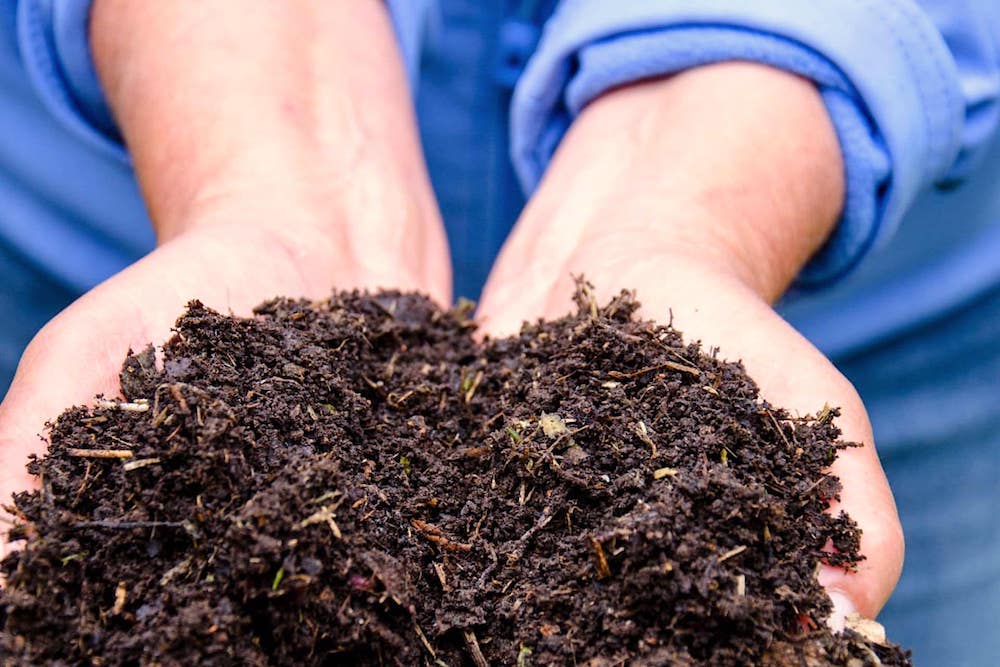
Composting is a natural process that recycles natural products back into the soil. It is the decomposition of organic matter, such as leaves, yard, and other plant particles, by fungis and germs. The procedure of composting speeds up the decay of these products, making them more offered to plants as nutrients and improving the structure of the soil.
To make compost for a small to medium sized farm or garden, you will need a composting location that has actually not been treated with pesticides or herbicides, organic materials such as lawn or plant clippings that have not been treated with pesticides or herbicides, and time to tend to the garden compost.

Little to medium sized gardens and farms can benefit from producing their own garden compost by following these easy actions: Select a location for your garden compost bin or stack that is close to a water source and has good drainage. Include a layer of organic materials, such as leaves, grass clippings, and fruit and veggie scraps.

One way to produce your own organic matter is to make a compost stack. These compost piles are made up of alternating layers of green and brown materials. The pile will eventually be the consistency of a wrung-out sponge.
The compost stack must be a little wet, simply like a wet sponge. After the compost pile is formed, you can include new products to it. If you 'd choose to turn your garden compost pile regularly, you can acquire a garden compost tumbler, which makes it simple to blend and aerate your stack.
The perfect place for your garden compost stack is a shady, dry area away from your home. If you live in a location where it rains, do not place your compost under eaves.
One way to create your own organic matter is to make a compost stack. These garden compost piles are made up of rotating layers of green and brown products. If you 'd choose to turn your garden compost stack routinely, you can acquire a compost tumbler, which makes it simple to mix and aerate your heap.
The ideal place for your garden compost stack is a shady, dry area away from your home.
To make your compost stack more helpful, mix browns and greens similarly. Browns feed the garden compost breaking organisms; greens supply the nitrogen required for soil structure. The main objective is to create a wet compost stack.
It is essential to remember that a garden compost pile needs to be turned typically. Garden compost in a warm environment will break down more quickly than those in cooler environments. You need to turn your garden compost stack every two weeks in the spring, 4 weeks in the fall, and 4 weeks in the winter season.
Utilizing cooking area compost bins is the most convenient method to get started. All you need to do is put in some green and brown waste. Green waste will add nitrogen to your compost pile, while brown waste will add carbon. Make certain that you use a compost bag to gather the garden compost after every composting. Using a charcoal filter will assist you gather the little bits of particles. The compost bin should be cleaned every couple of days to avoid any overcrowding.
Browns feed the compost breaking organisms; greens offer the nitrogen required for soil structure. Using kitchen area garden compost bins is the most convenient method to get begun. Green waste will add nitrogen to your compost heap, while brown waste will include carbon. Make sure that you use a garden compost bag to collect the garden compost after every composting.
Compost is a type of organic material utilized to nourish plants and fortify the soil. Numerous products in our household can be composted, including fruit and vegetable peels, coffee grounds, eggshells, and backyard trimmings.
You can likewise add wood shavings to your garden compost pile. Veggie animal manure is likewise a fantastic addition to your garden compost pile. Avoid adding lime to your manure or charcoal, as these waste materials can cause your garden compost to PH instability.
Tea and coffee premises are excellent compostable materials since they include nitrogen and can break down. Teabags contain tiny amounts of plastic, so you need to thoroughly compost them independently. Shredding paper is an outstanding source of carbon and is reasonably simple to digest. Entire newspaper might resist breakdown in a home composting system, so it's best to use shredded paper instead. For more details, read our guide to composting tea bags.
When composting plants, remember that illness can not be composted, as the disease spreads throughout the soil. If you inadvertently composted a plant that was already contaminated with late blight, you could spread the disease throughout your garden, so you need to not position it in your garden compost bin. If you are composting treated wood, you should dispose of it immediately. The spores of late blight can travel up to 20 km by means of the wind.
Lots of items in our family can be composted, consisting of fruit and veggie peels, coffee premises, eggshells, and backyard trimmings. Avoid including lime to your manure or charcoal, as these waste products can trigger your compost to PH instability.
When composting plants, remember that diseases can not be composted, as the disease spreads out throughout the soil. If you accidentally composted a plant that was currently contaminated with late blight, you might spread out the illness throughout your garden, so you should not place it in your compost bin.